Explore Nassau
Beyond the beach, Nassau has stories to tell.
Make room for limestone landmarks, Bahamian art, Junkanoo traditions and a good plate of conch. This local-host guide helps you explore with a little more context and a lot less rushing.
Historic Nassau
Nassau’s history, written into the city.
From hand-cut limestone and harbour forts to Villa Doyle and the Straw Market, these places reveal how Nassau’s past continues to shape its public life, art and traditions.
Bennet’s Hill
Queen's Staircase & Fort Fincastle
The 66-step limestone staircase was hewn by enslaved people between 1793 and 1794. At the top, Fort Fincastle—built around 1793—looks across the harbour from one of Nassau’s highest points.
Official Bahamas guideFort Fincastle historyWest Bay Street
Fort Charlotte
Built in 1788 under Governor Lord Dunmore, Fort Charlotte is the largest fort on New Providence. Its hilltop grounds, moat and passageways frame a wide view of Nassau Harbour.
Official Bahamas guideWest & West Hill Streets
National Art Gallery of The Bahamas
The national gallery occupies Villa Doyle, a residence built in the 1860s and restored as a museum. Its exhibitions and collection offer a thoughtful way into historic and contemporary Bahamian art.
NAGB visitor information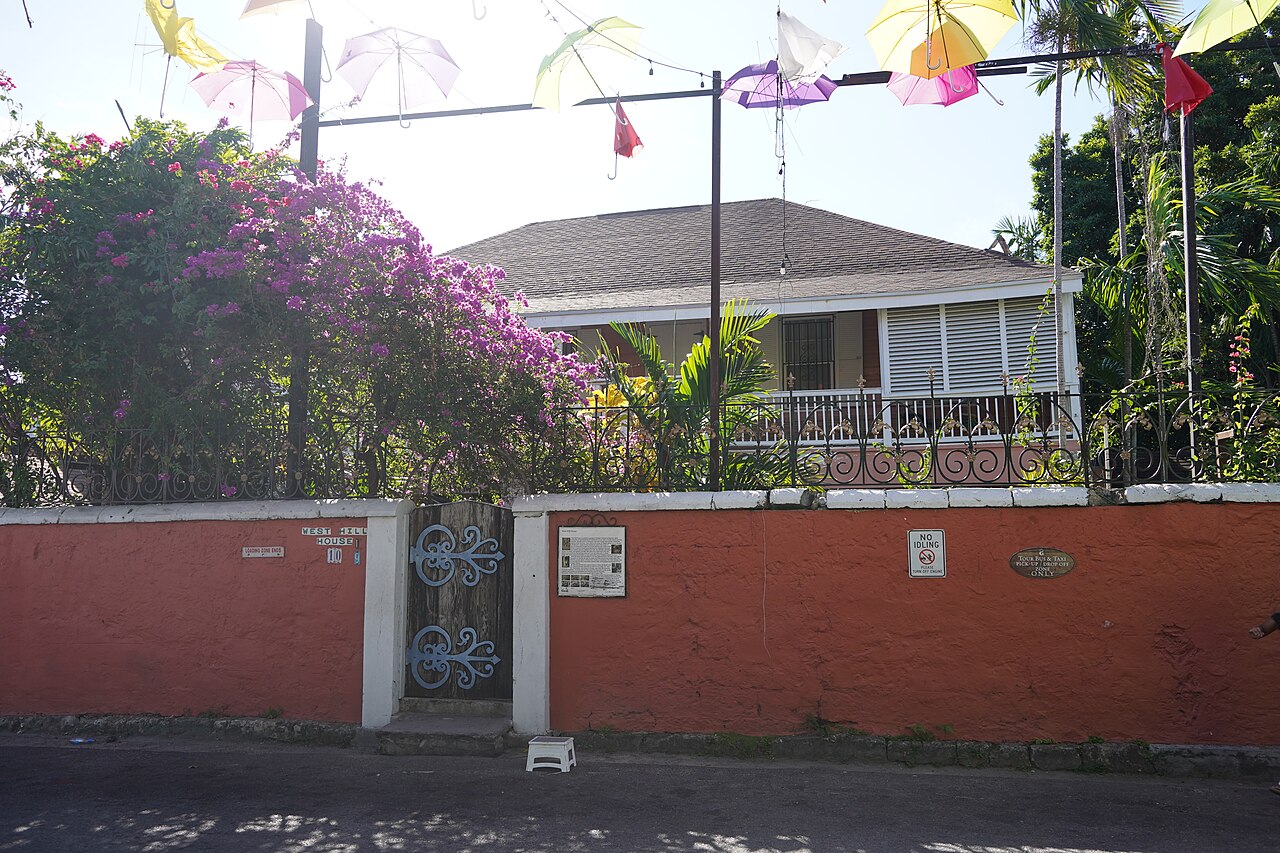
Bay Street
Nassau Straw Market
Straw work is one of The Bahamas’ longstanding creative industries. The downtown market brings local vendors and handmade wares into the centre of a Bay Street walk.
Official Bahamas guideCulture & Food
Meet Nassau through what it makes and shares.
Junkanoo, local craft and the Fish Fry are living expressions of Bahamian identity, carried through music, making, celebration and food.
Feel the rhythm of Junkanoo
Junkanoo is The Bahamas’ national cultural festival, shaped through music, dance, storytelling and hand-built costumes. UNESCO added it to the Representative List of the Intangible Cultural Heritage of Humanity in 2023.
Read the UNESCO historyEat at Arawak Cay
The Fish Fry is a relaxed place to try made-to-order conch salad, fried fish and other Bahamian dishes. It is as much a social stop as a meal, especially later in the day and on Sundays.
Explore the Fish FryTry a hands-on Bahamian craft
The Cultural Gallery & Studio showcases locally made arts and crafts and offers creative activities such as storytelling, jewelry making and Junkanoo mask design.
Explore the Cultural GalleryWorth Knowing
Nassau notes.
Then & now
A gaol remade as a place of learning.
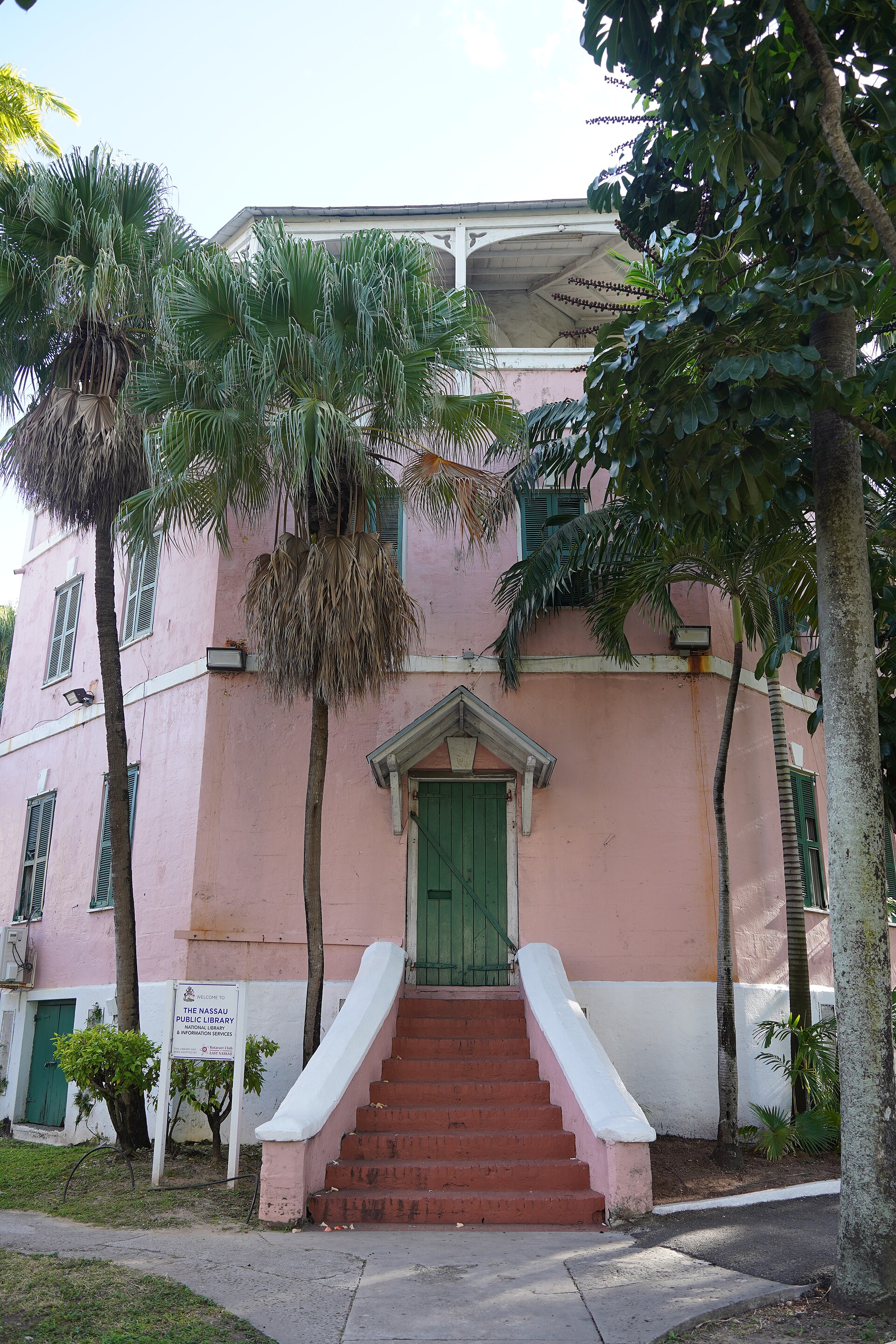
Built between 1798 and 1800 by Loyalist Joseph Eve as Nassau’s first gaol and correctional workhouse, the octagonal native-stone building became home to the Nassau Public Library in 1873. Its former cells now serve as book-lined alcoves.
Read the official library history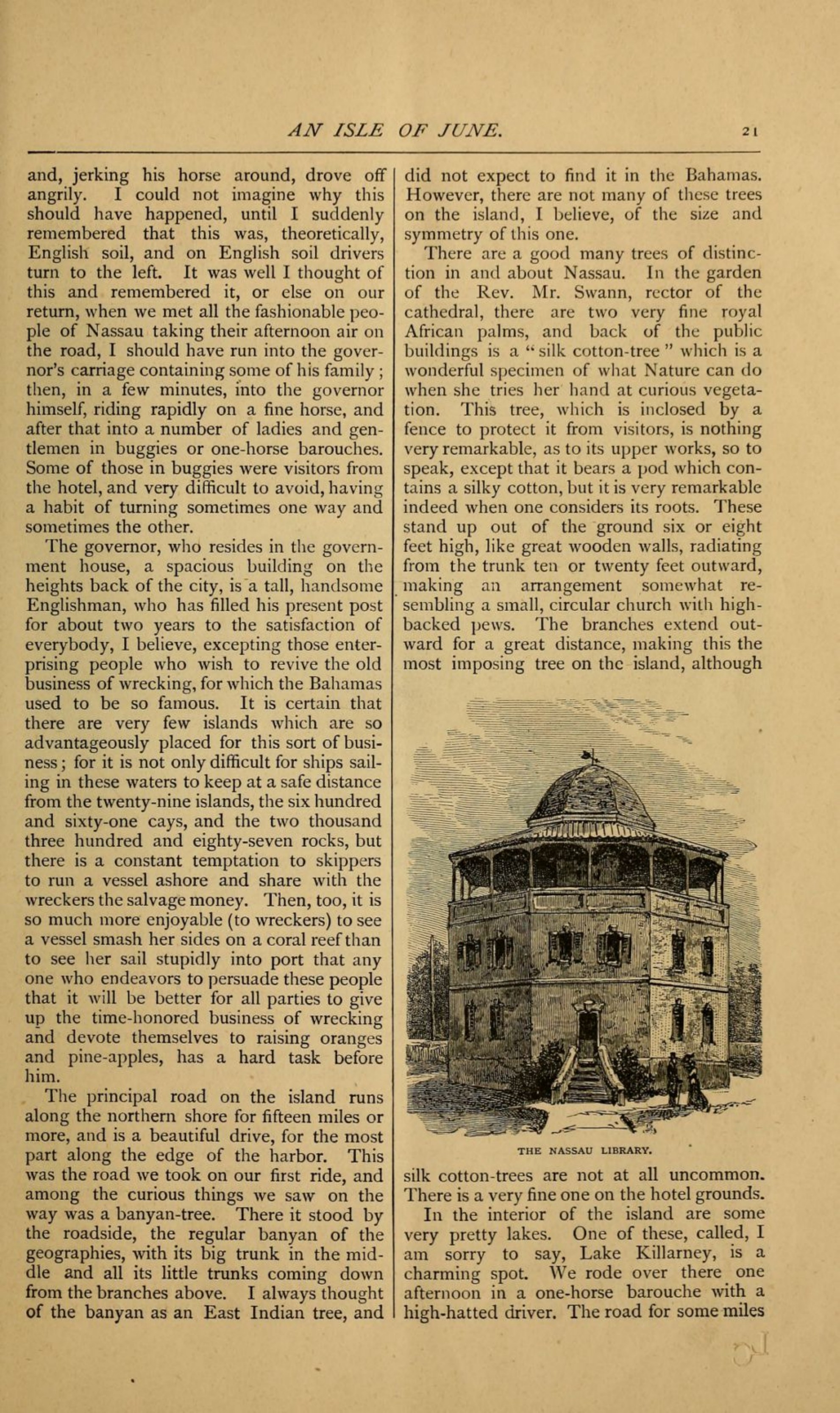
A port shaped by the pirate era
Nassau was established around 1670 as a commercial port. By 1718, Royal Governor Woodes Rogers had been sent to restore order after years of pirate control.
Read the official historyA UNESCO city for crafts and folk art
Nassau joined the UNESCO Creative Cities Network in 2014 for Crafts and Folk Art, with straw craft and Junkanoo central to its creative identity.
Read the UNESCO city reportFrom Your Host
A little context before you go.
Start with the historic core
The Queen’s Staircase, Fort Fincastle, Bay Street and the Straw Market fit naturally into one downtown outing. Start earlier for cooler walking weather.
Check before you go
Hours, admission and event schedules can change. Use the official links on this page before setting out.
Build in a food stop
Pair downtown with lunch or an early dinner at Arawak Cay rather than rushing every landmark into one stretch.
Plan the ride home
Use licensed transport and arrange your return to Cable Beach before an evening event or late dinner.
Stay on Cable Beach
Come back to your own quiet corner of Nassau.
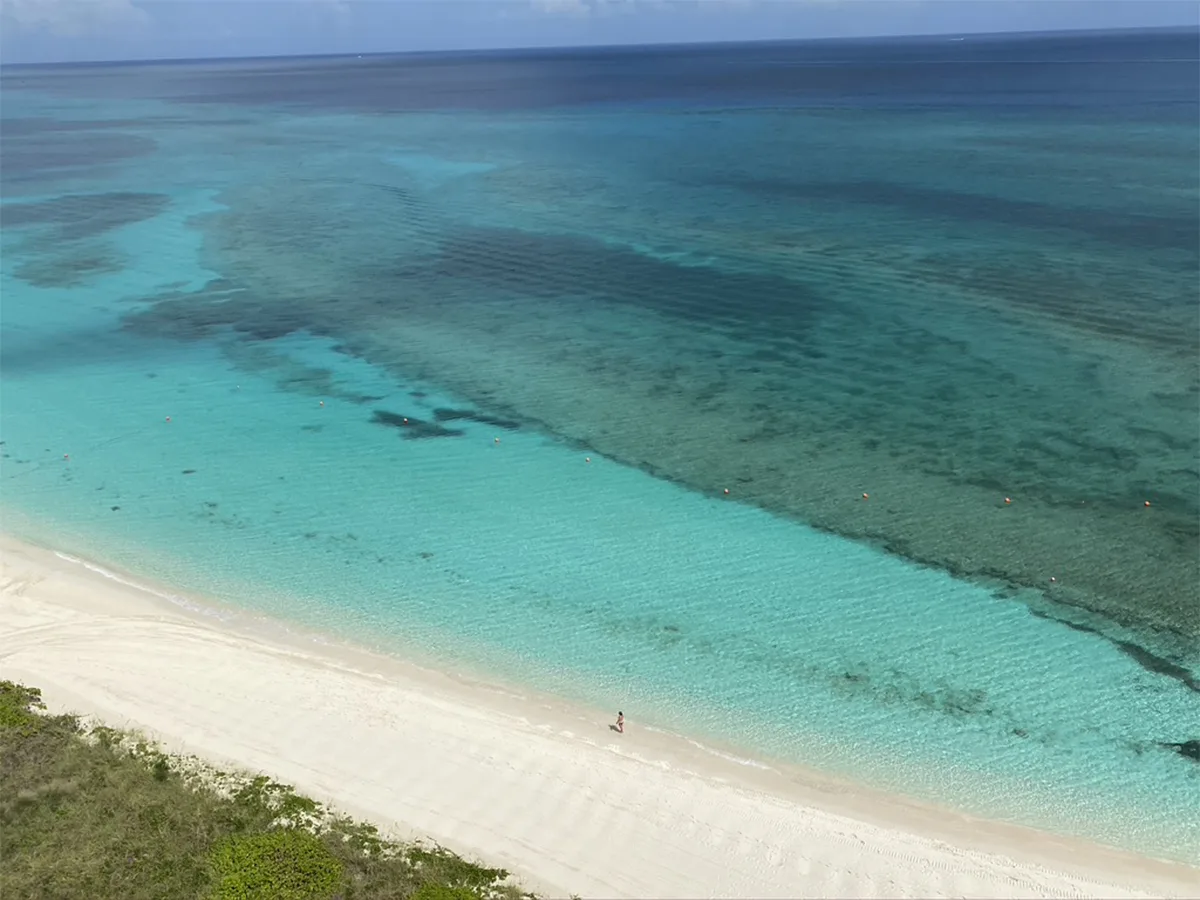
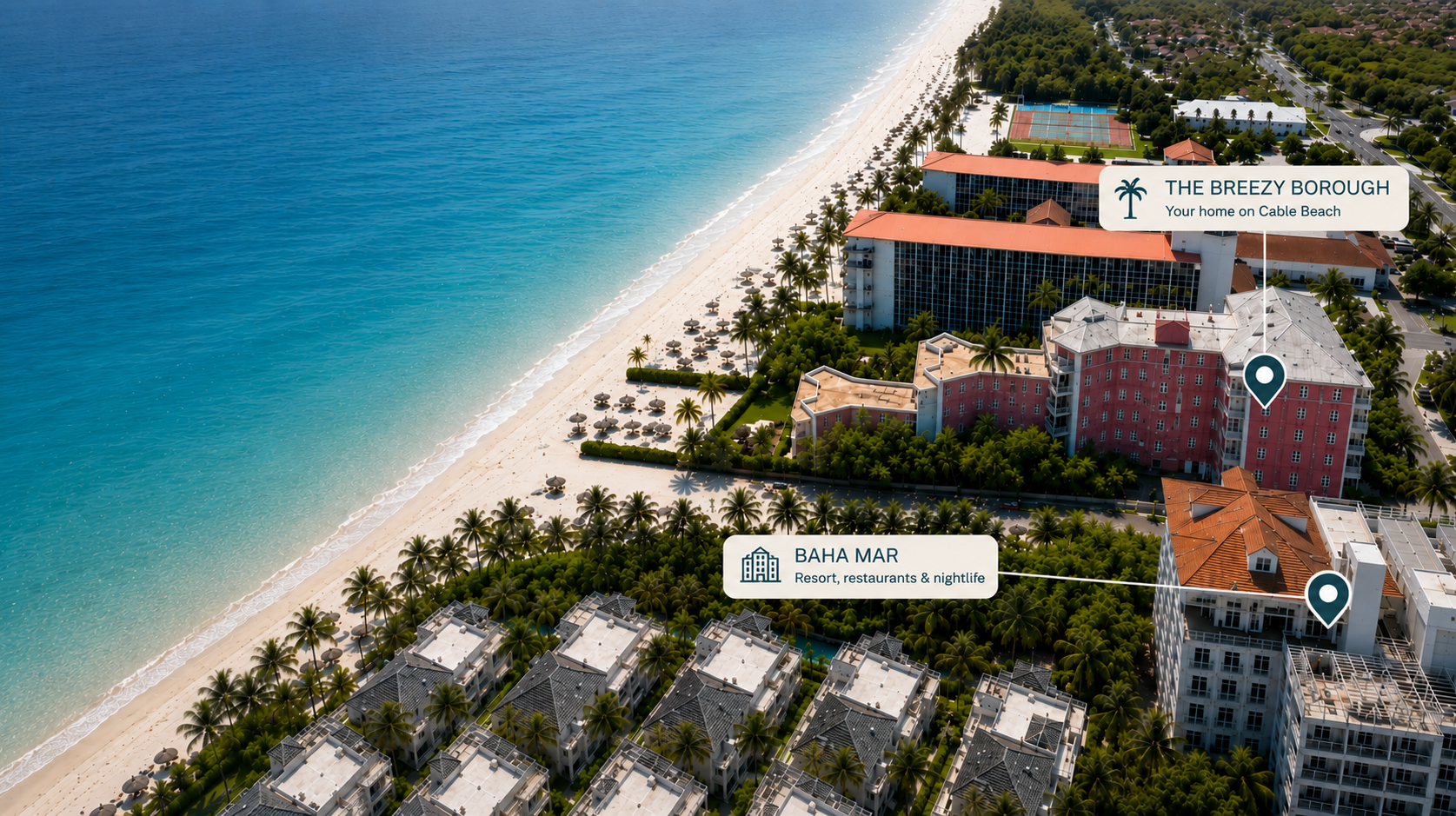
The Breezy Borough puts a private beach, Baha Mar and the wider island within easy reach—then gives you a comfortable place to reset.